Clear the space
Math Tutoring for High School, and College Students.
Set clear explanations, step-by-step practice, and a plan that fits your goals—whether you’re in high school, or college (homework help or exams).
clear space
c
acee
Create a space
Ancient Egyptian mathematicians (3000–300 BC), often working as architects and scribes, developed a base-10 number system without a symbol for zero. Their mathematics focused mainly on arithmetic and geometry, which they used for practical purposes such as construction, land surveying, and administrative record-keeping.
clear space
clear space
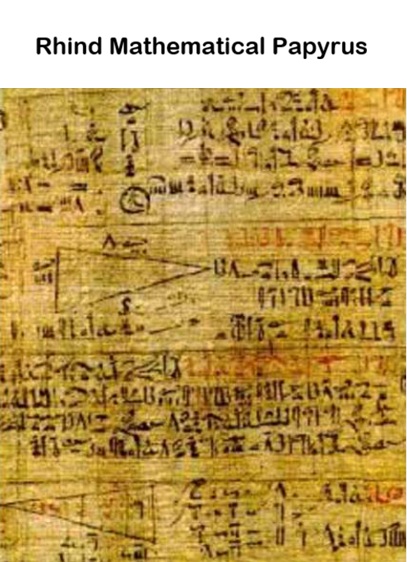
Ahmes was an ancient Egyptian scribe who lived near the end of the Fifteenth Dynasty and the beginning of the Eighteenth Dynasty, around 1550 BC. He copied the Rhind Mathematical Papyrus, a document containing mathematical problems and methods such as unit fractions, multiplication by doubling, and calculations of areas and volumes—including an approximation of π pi . Ahmes stated that the material he recorded was based on an even older document dating to about 2000 BC. He is considered the earliest known contributor to mathematics whose name has been preserved.
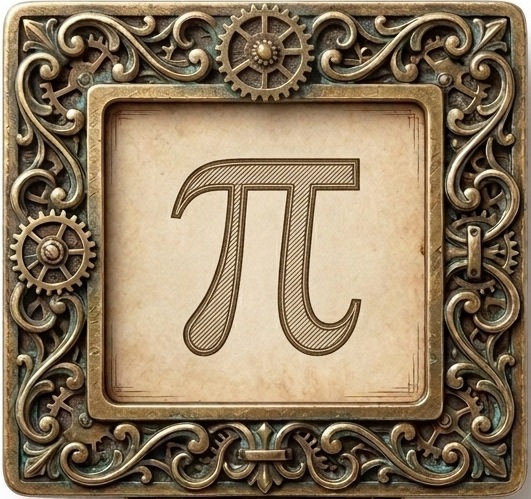
The symbol π (pi) was first used by the Welsh mathematician William Jones in 1706 to represent the ratio of a circle’s circumference to its diameter. He likely chose the symbol because it is the first letter of the Greek word for “periphery.”
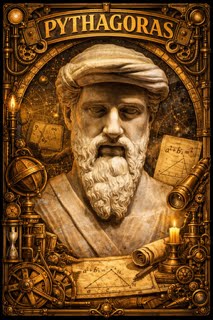
Pythagoras was an ancient Greek philosopher and mathematician, born around 570 BC and died 495 B,C, on the island of Samos, Greece.
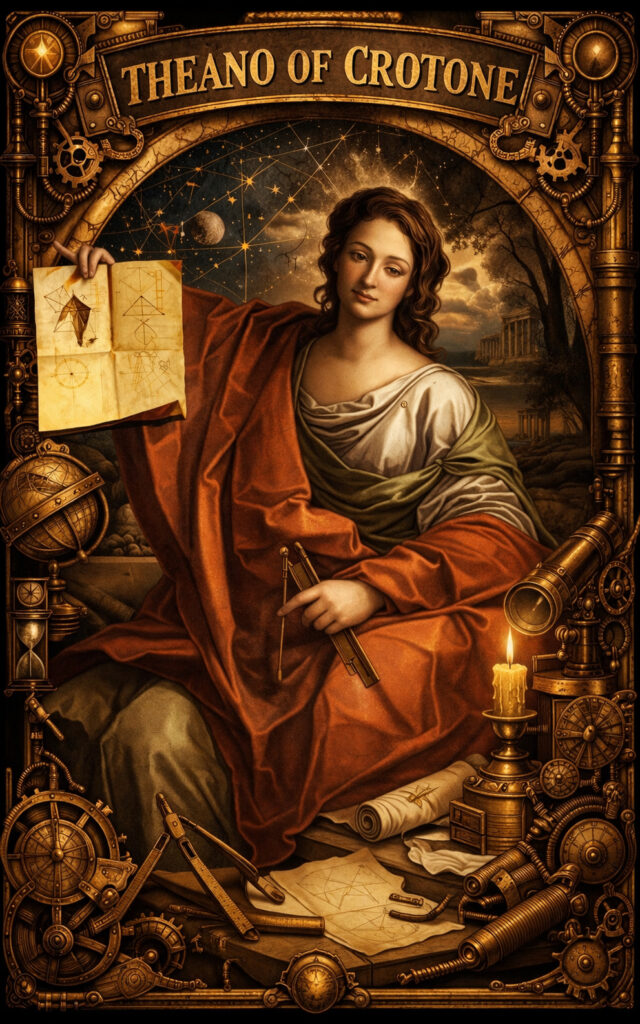
Theano of Crotone , born in 546 BC. to 495 B.C., was a Greek philosopher, mathematician, and physician; many said tthat she might have been the wife or student of Pythagoras.
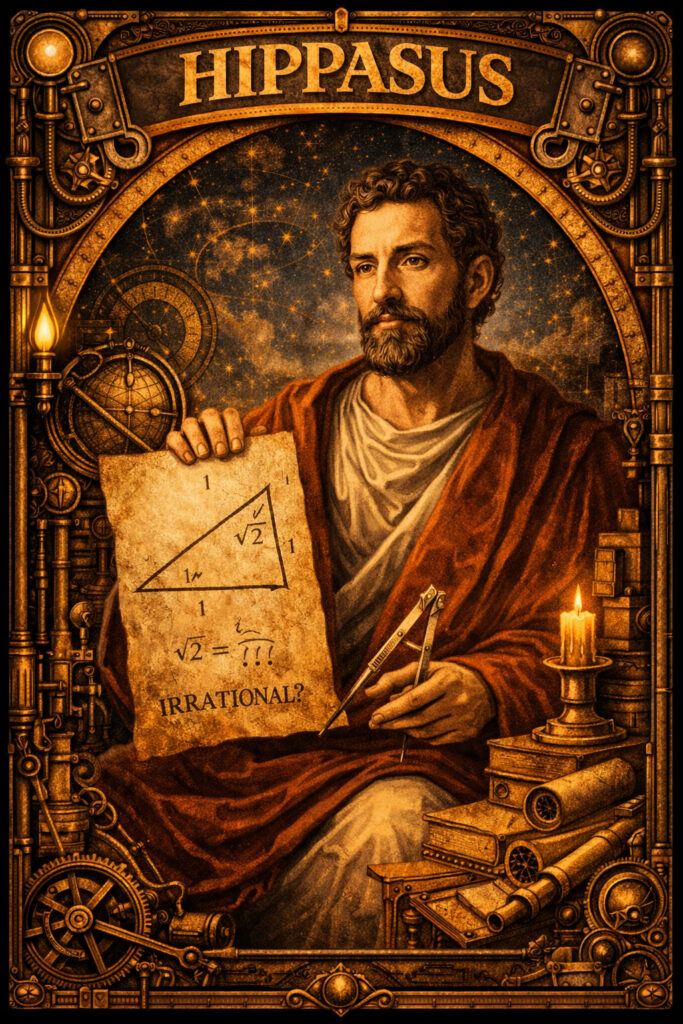
Hippasus was a Greek philosopher from Metapontum, Greece, who lived from 530 to 450 BC and was an early follower of Pythagoras.
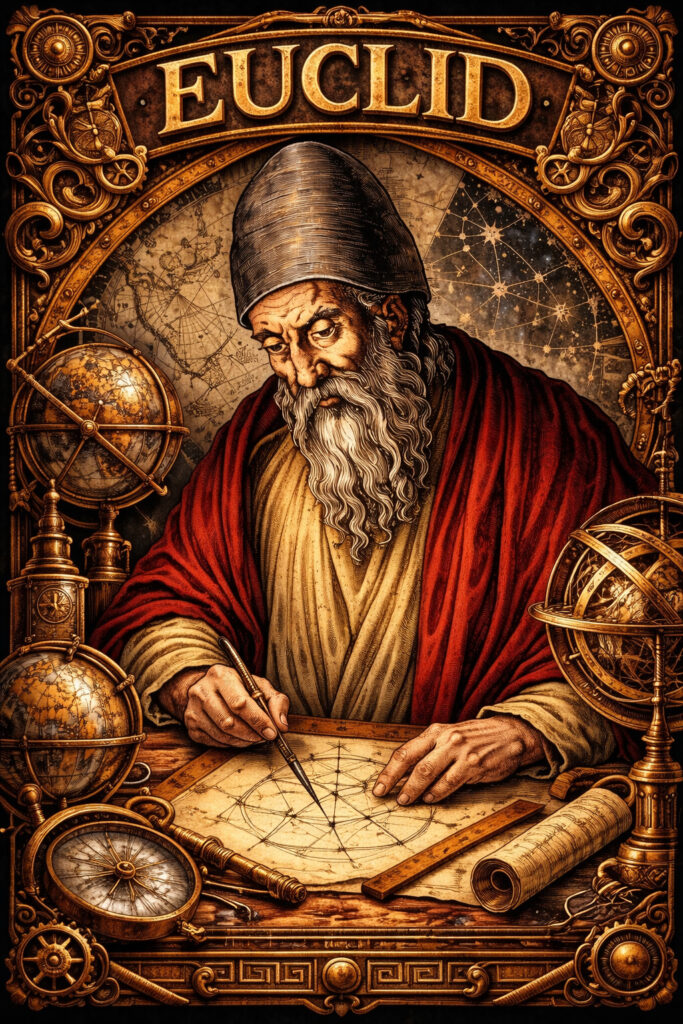
Euclid was an ancient Greek mathematician, who lived around 300 BC. He is said to have died around 265 B.C. in Alexandria, Egypt.
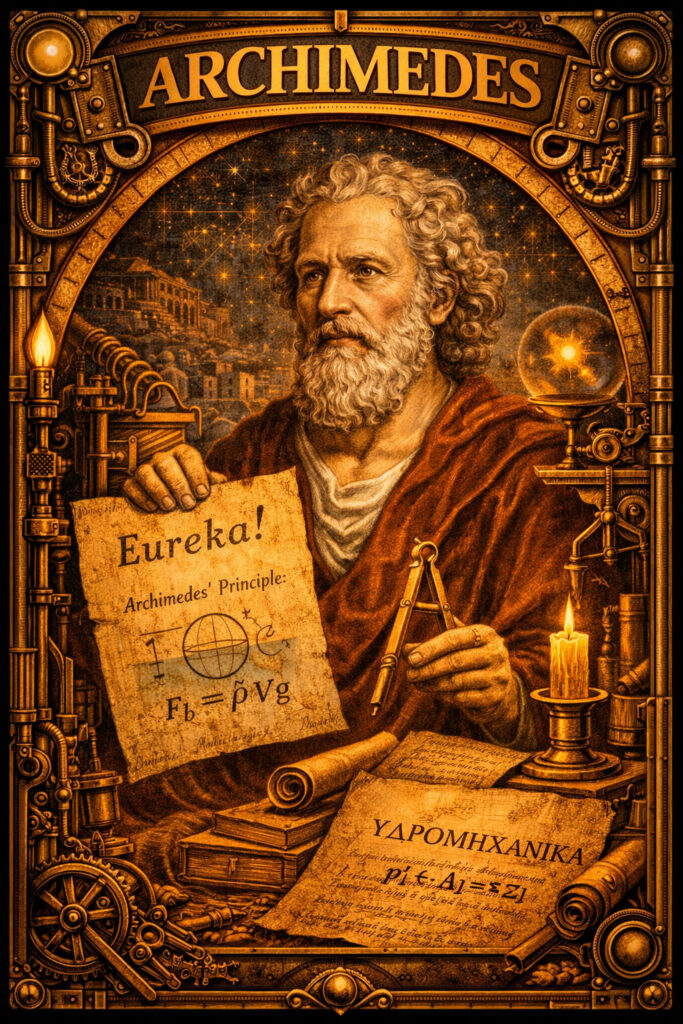
Archimedes was a Greek mathematician, inventor, and scientist born around 287 B.C., and died in 212 B.C.
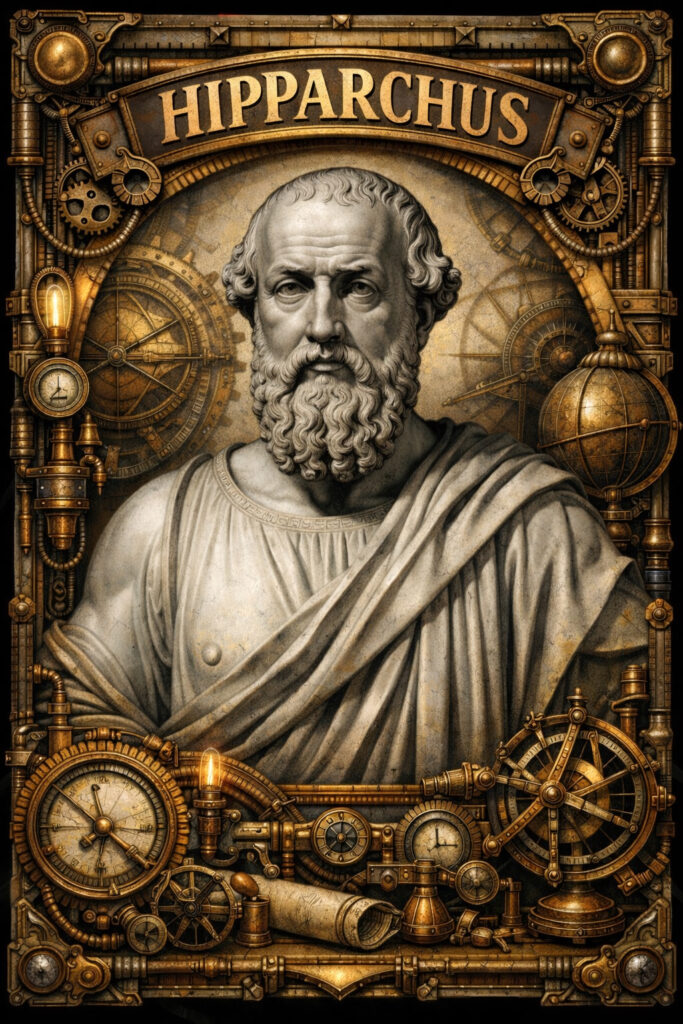
Hipparchus was a Greek astronomer, geographer, and mathematician who lived around 190 to 120 BC.

Zu Chongzhi (429–500 AD), courtesy name Wenyuan, was a Chinese mathematician, astronomer, and engineer who lived during the Liu Song and Southern Qi dynasties. He is best known for his remarkably precise calculation of π and for improving the Chinese calendar system.
Al-Khwarizmi was a mathematician, who lived from 780 AD to 850 AD. during the Islamic Golden Age.
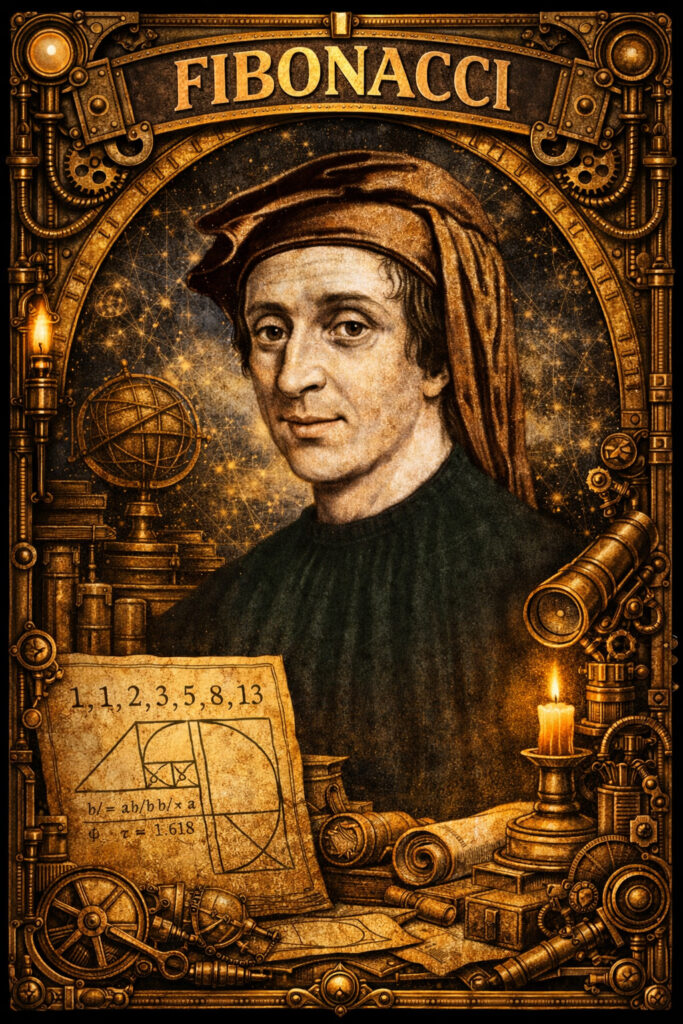
Fibonacci, also known as Leonardo of Pisa, was born around 1170 and died around 1250, in Italy, although the exact date is uncertain.
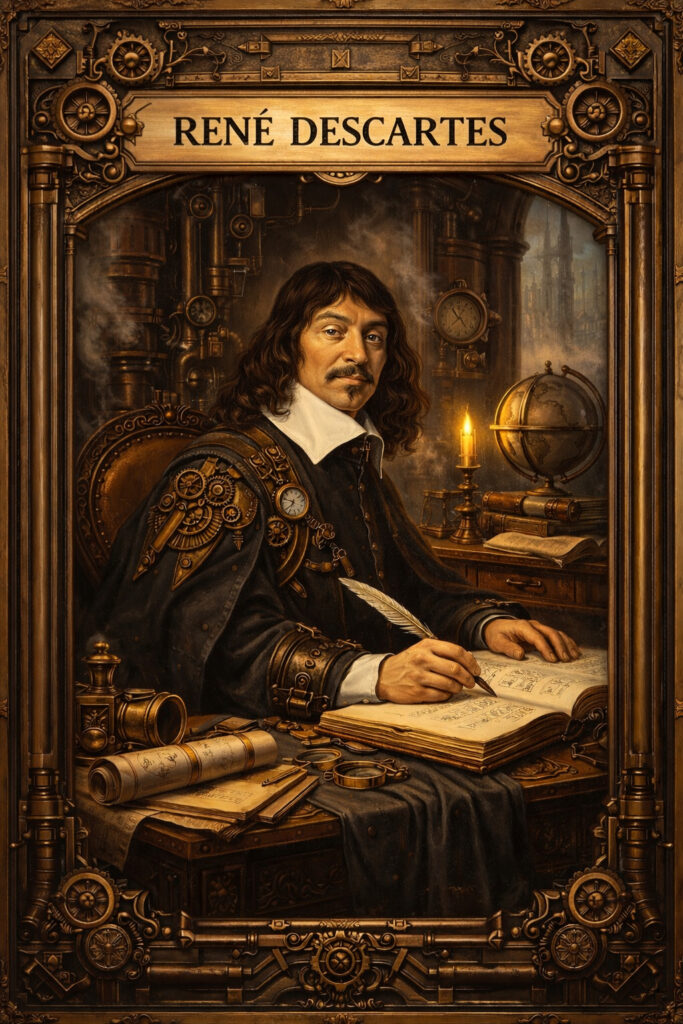
René Descartes was born March 31, 1596, La Haye en Touraine, France and died February 11, 1650, in Stockholm, Sweden.
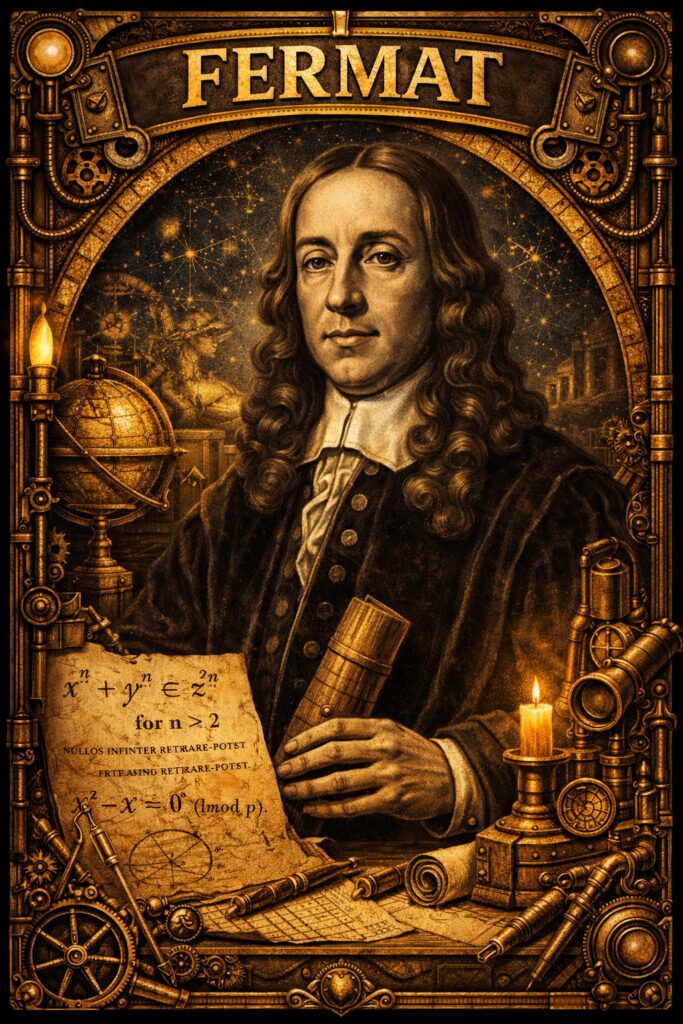
Pierre de Fermat was a French mathematician, who lived from August 17, 1601, to January 12, 1665
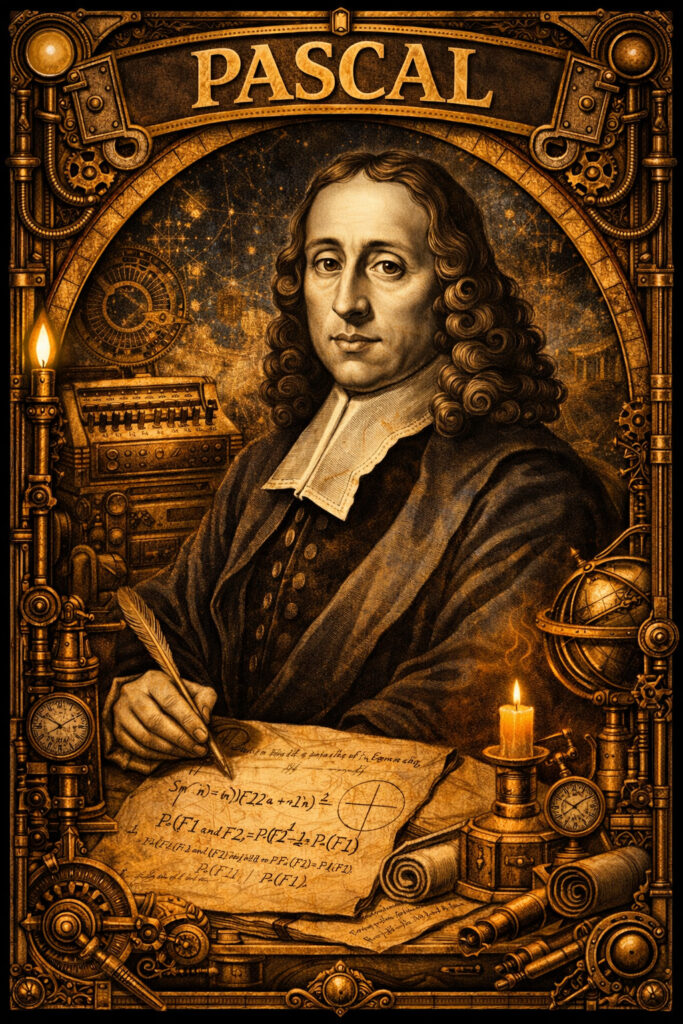
Blaise Pascal was a French mathematician, physicist, inventor, philosopher, and writer, born on June 19, 1623, and died on August 19, 1662.
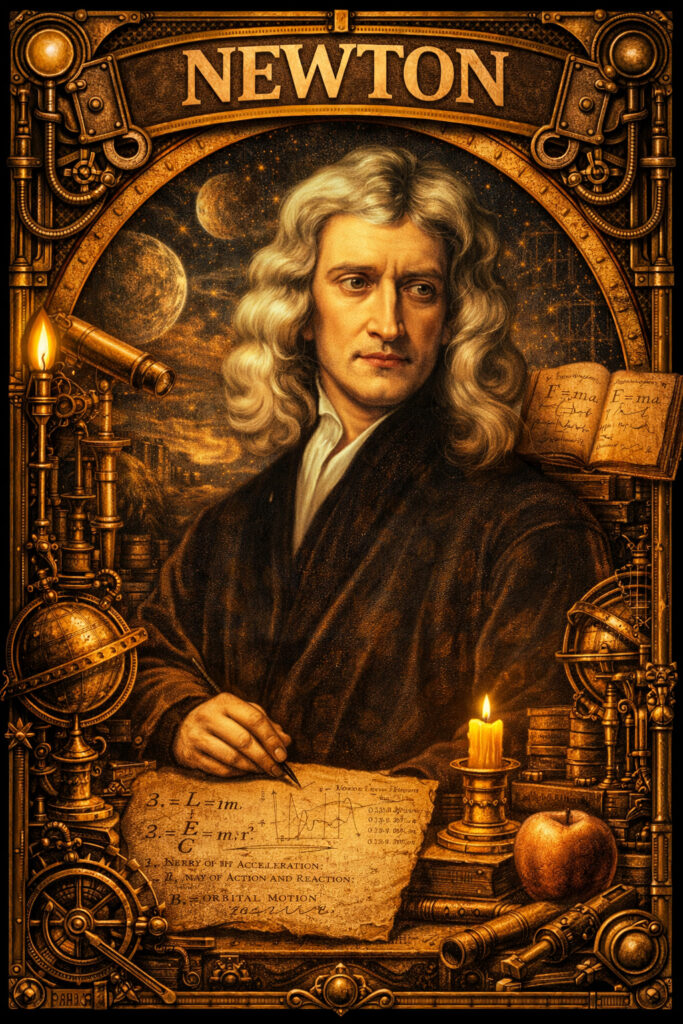
Isaac Newton was an English mathematician, physicist, and astronomer, who lived from January 4, 1643, to March 31, 1727.
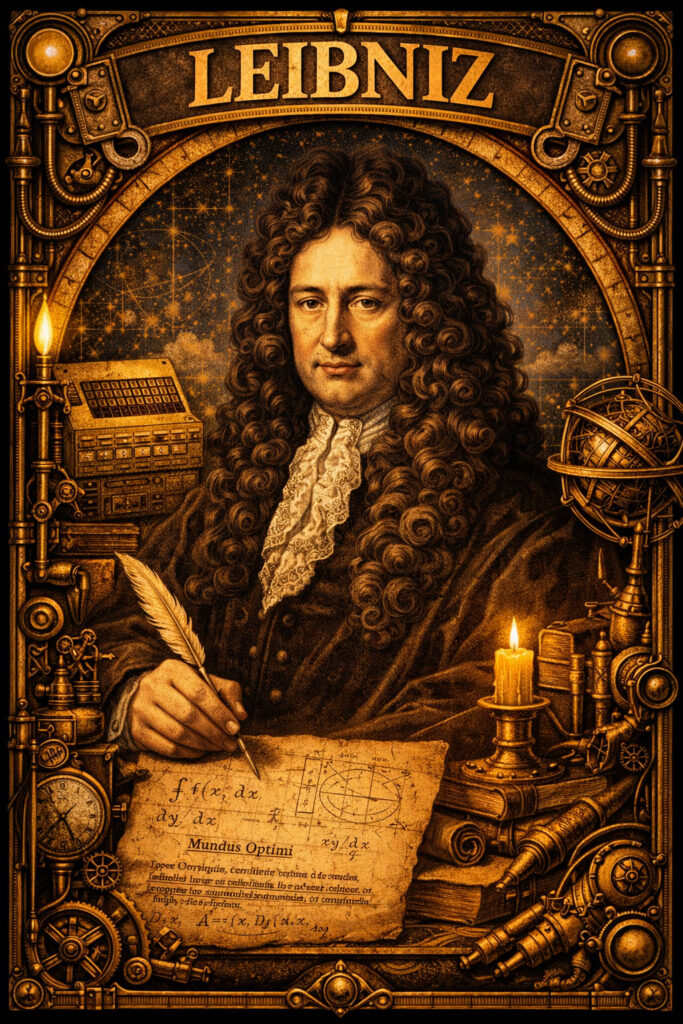
Gottfried Wilhelm Leibniz (1646–1716) was a German polymath.
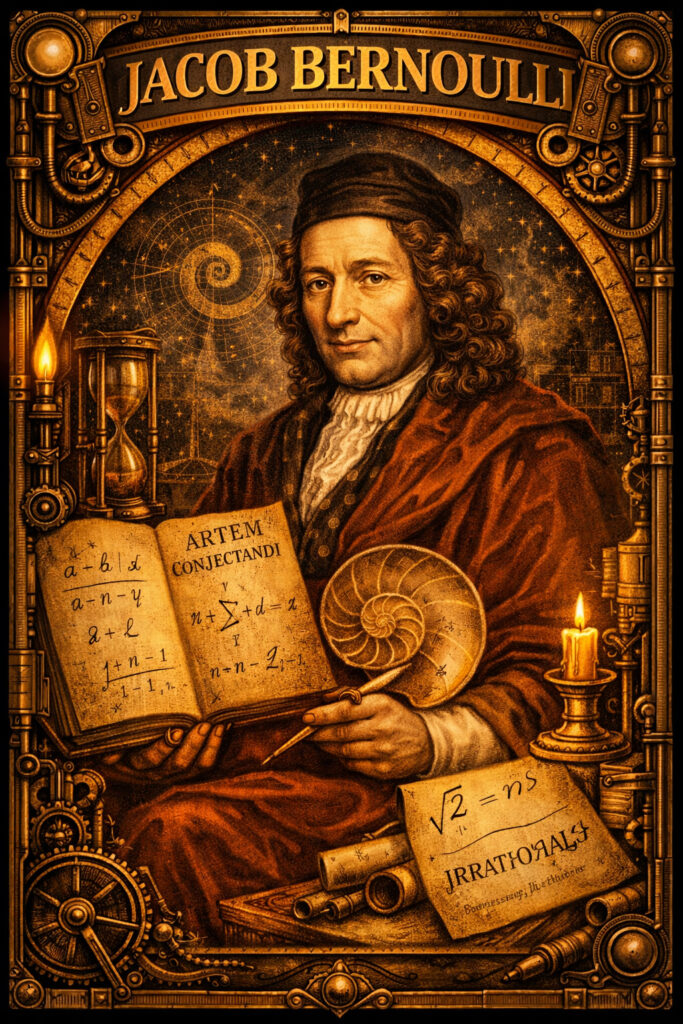
Jacob Bernoulli was born on December 27, 1654 and passed away on August 16, 1705 in Basel, Switzerland.
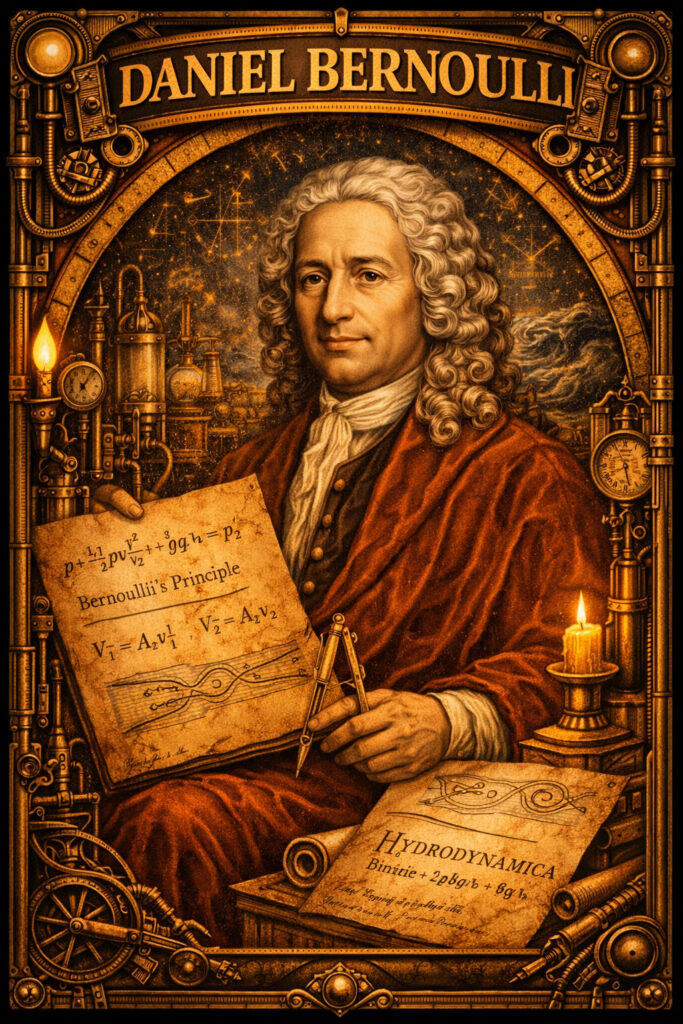
Daniel Bernoulli born on February 8, 1700, in Groningen, Netherlands and died on March 17, 1782, in Basel, Switzerland.
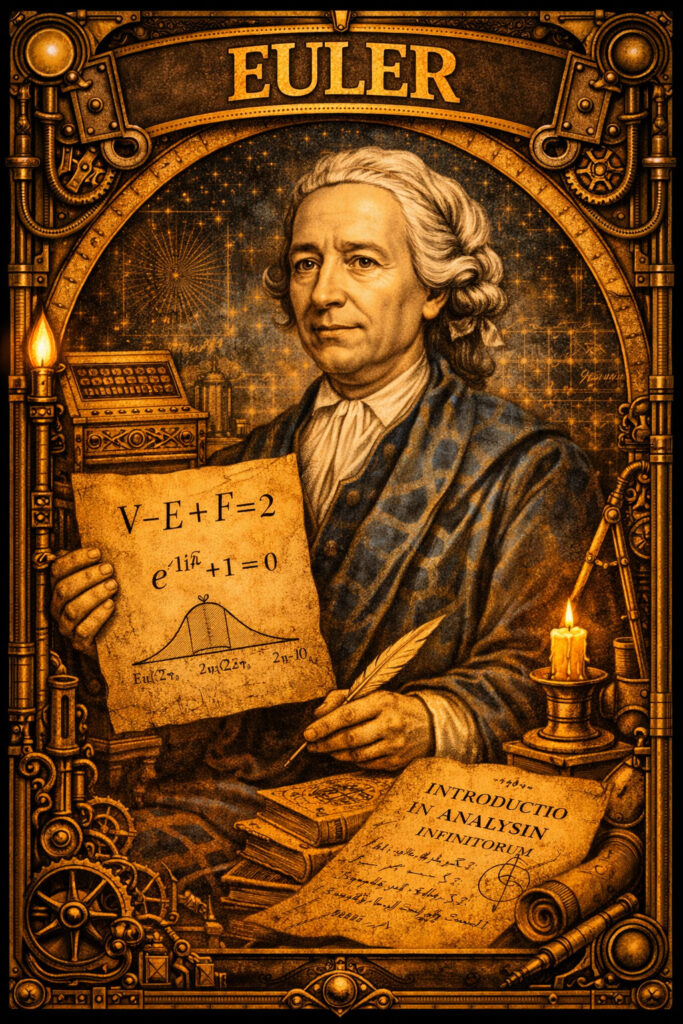
Leonhard Euler was a Swiss mathematician and physicist, born on April 15, 1707, in Basel, Switzerland. And died on September 18, 1783 in Saint Petersburg.
clear space
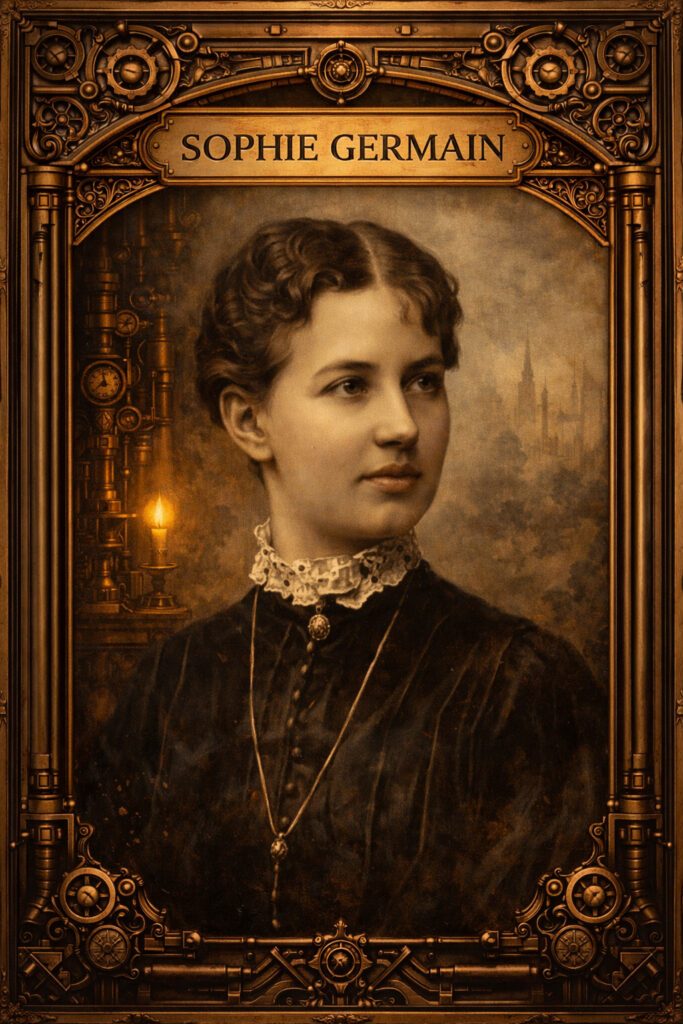
Sophie Germain (1776-1831) was a pioneering French mathematician and physicist.
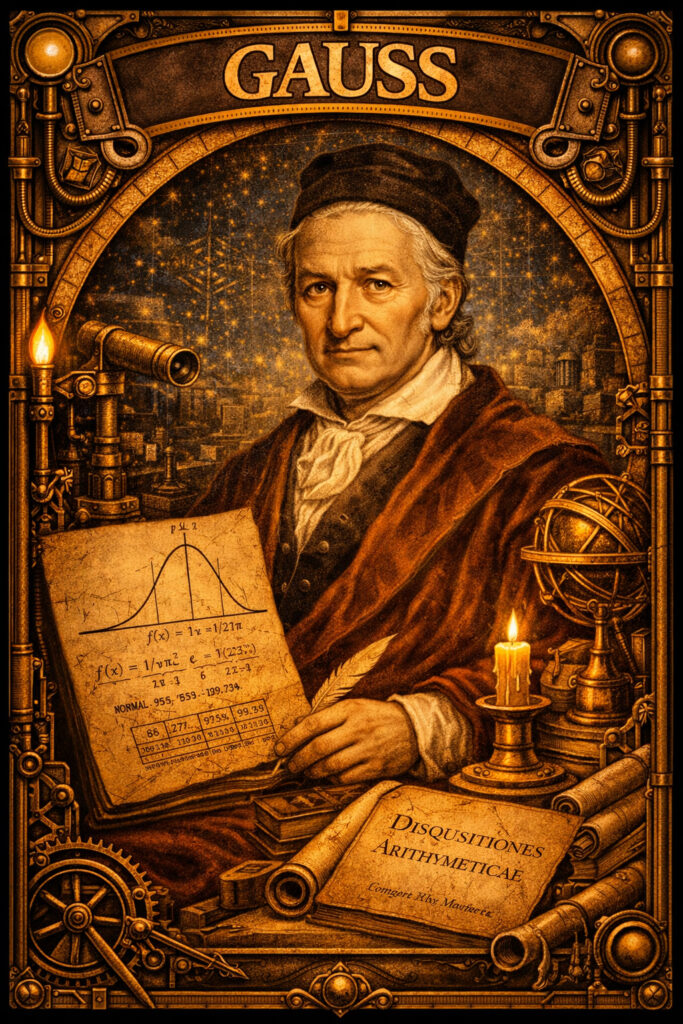
Carl Friedrich Gauss was a German mathematician and astronomer, born on April 30, 1777, and died February 23, 1855.
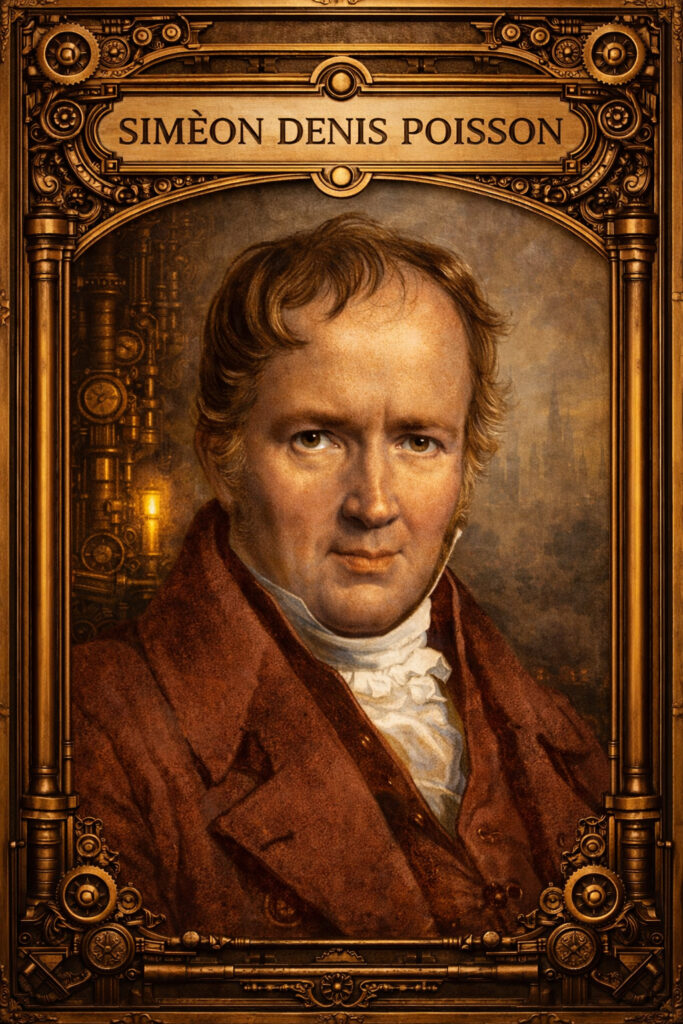
Siméon Denis Poisson, born 1781 and died in 1840, was a French mathematician and physicist.

Clear explanations
We break concepts into simple steps and connect them to what you already know.
Structured practice
Targeted problem sets build accuracy, speed, and long-term retention.
Progress you can see
We track goals and revisit weak spots until they become strengths.
Services
Support for every level—from middle school to college
1:1 Math Tutoring
Personalized sessions tailored to your current level and goals—concept mastery, efficient problem-solving, and confidence-building.
Homework & Study Support
Guided help that teaches the method (not just the answer), plus study plans and practice sets to reinforce skills.
Tests & Quizes
Targeted prep for quizzes, finals, and standardized tests with strategy, timed practice, and review of weak areas.

Frequently asked questions
Quick answers about scheduling, subjects, and what to expect.
What subjects do you tutor?
Algebra, Geometry, Trigonometry, Pre-Calculus, Calculus, Statistics, and general homework support.
Do you offer online tutoring?
Yes—sessions are online or onsite with a shared whiteboard and guided practice, so it feels just like working side-by-side.
How long is a session?
Most sessions are 60 minutes. We can also do 45 or 90 minutes depending on goals and attention span.
How do you track progress?
We set clear goals, review recent work, and use short check-ins to confirm mastery before moving on.
Can you help with exam preparation?
Absolutely—topic review, pacing strategies, and timed practice with targeted feedback.
How do we get started?
Send a request below and share your course, goals, and availability. We’ll recommend a plan and schedule your first session.
Ready to improve fast?
Get a tutoring plan built around your goals
Tell us what you’re working on (class, unit, or test date) and we’ll recommend the best next steps.
Check out my videos on my YouTube channel @vanky66
Short, clear walkthroughs for Algebra, Geometry, Trigonometry, and Calculus.
Mathematical History
Browse a quick timeline of ideas that shaped math—then bring that same curiosity into your next tutoring session.
Notable mathematicians:
• Euclid — organized geometry in Elements.
• Archimedes — advanced geometry and early calculus ideas.
• Al-Khwarizmi — helped found algebra and algorithms.
• Isaac Newton — developed calculus and laws of motion.
• Leonhard Euler — transformed notation and analysis.
• Carl Friedrich Gauss — major breakthroughs in number theory.
• Ada Lovelace — wrote early work on computing algorithms.
• Emmy Noether — shaped modern abstract algebra and physics.
• Srinivasa Ramanujan — deep results in number theory and series.
• Katherine Johnson — calculated trajectories for early spaceflight.